AI Bedtime Routine: Build a Sleep Plan You’ll Stick With
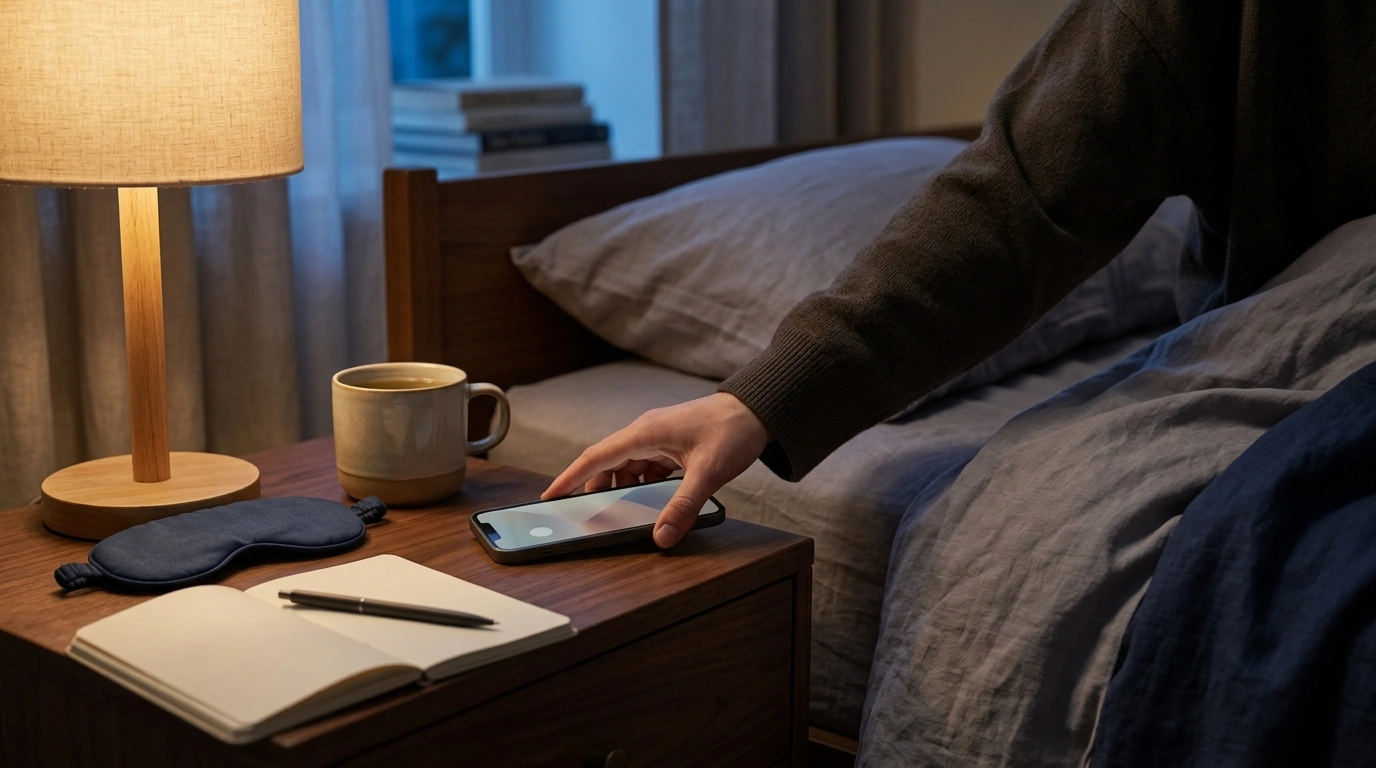
Sleep Smarter with AI: A Personalized Bedtime Routine You Can Actually Stick To
Better sleep usually comes down to consistency, environment, and timing—but generic advice can feel impossible to apply when evenings are busy, stress is high, or schedules change. A guided, AI-assisted routine can turn proven sleep habits into a realistic nightly plan tailored to your wake time, workload, and wind-down style, with small adjustments that add up over time. If you want a calmer end to your day without rebuilding your entire life, personalization is the difference between “good ideas” and something you’ll actually do.
Why bedtime routines fail (and how personalization fixes it)
Most routines collapse for the same reasons: they’re too long, too strict, or misaligned with natural sleep timing. When a plan requires a perfect hour-by-hour script, one late email or last-minute chore can derail the whole night—and the routine gets abandoned.
Common blockers include late meals, screens at the wrong time, inconsistent wake-up times, caffeine too late in the day, and an overstimulating wind-down (social media, intense shows, heated conversations). The goal isn’t to fix everything at once. Personalization focuses on the few changes most likely to move the needle for your nights.
AI suggestions are most useful when the inputs are honest: your bedtime target, your real wake time, how weekends differ from weekdays, stress level, and any evening obligations. The output becomes a flexible plan built around what you can repeat—not what looks ideal on paper.
How AI-guided routines support better rest
Sleep guidelines are simple; the hard part is sequencing them. AI-guided routines help translate principles into a timeline: when to dim lights, when to stop heavy work, and when to shift into calmer activities. Instead of “avoid screens,” you can get a workable boundary like “switch to audio-only after 9:30” or “no scrolling during the last 20 minutes.”
They also help you plan for disruption with “if-then” options. If you have a late meeting, the routine can shorten into a “minimum effective wind-down.” If you’re traveling, it can prioritize cues that are portable (breathing, reading, consistent wake time). If you’re lying awake, it can remind you to step out of bed briefly in low light for a quiet, non-stimulating activity—then return when sleepy.
Over time, the best systems narrow your focus to 2–3 anchor behaviors that are easiest to repeat. They also make it easier to track patterns: what delays sleep onset, what improves morning energy, and what tends to trigger night waking.
Build your personalized bedtime routine in 10 minutes
Start with a routine that’s “good enough” and repeatable. Then let it evolve.
If you want a ready-to-use structure you can customize quickly, Sleep Smarter with AI – Bedtime Routine Guide for Better Rest (Digital Download) is built for turning these inputs into a simple nightly plan without overcomplicating it.
A simple routine blueprint (use as a starting template)
Bedtime Routine Blueprint (Adjust to Your Schedule)
| Time before lights-out | What to do | Why it helps | Easy personalization ideas |
|---|---|---|---|
| 90–60 min | Lower the pace: dim lights, wrap up demanding tasks | Reduces stimulation and supports the body’s natural wind-down | Set a “shutdown” alarm; switch to low-effort tasks |
| 60–30 min | Light routine: hygiene, prep clothes/bag, set room temperature | Reduces bedtime decision fatigue and overnight discomfort | Aim for a cool room; adjust with a fan or breathable bedding |
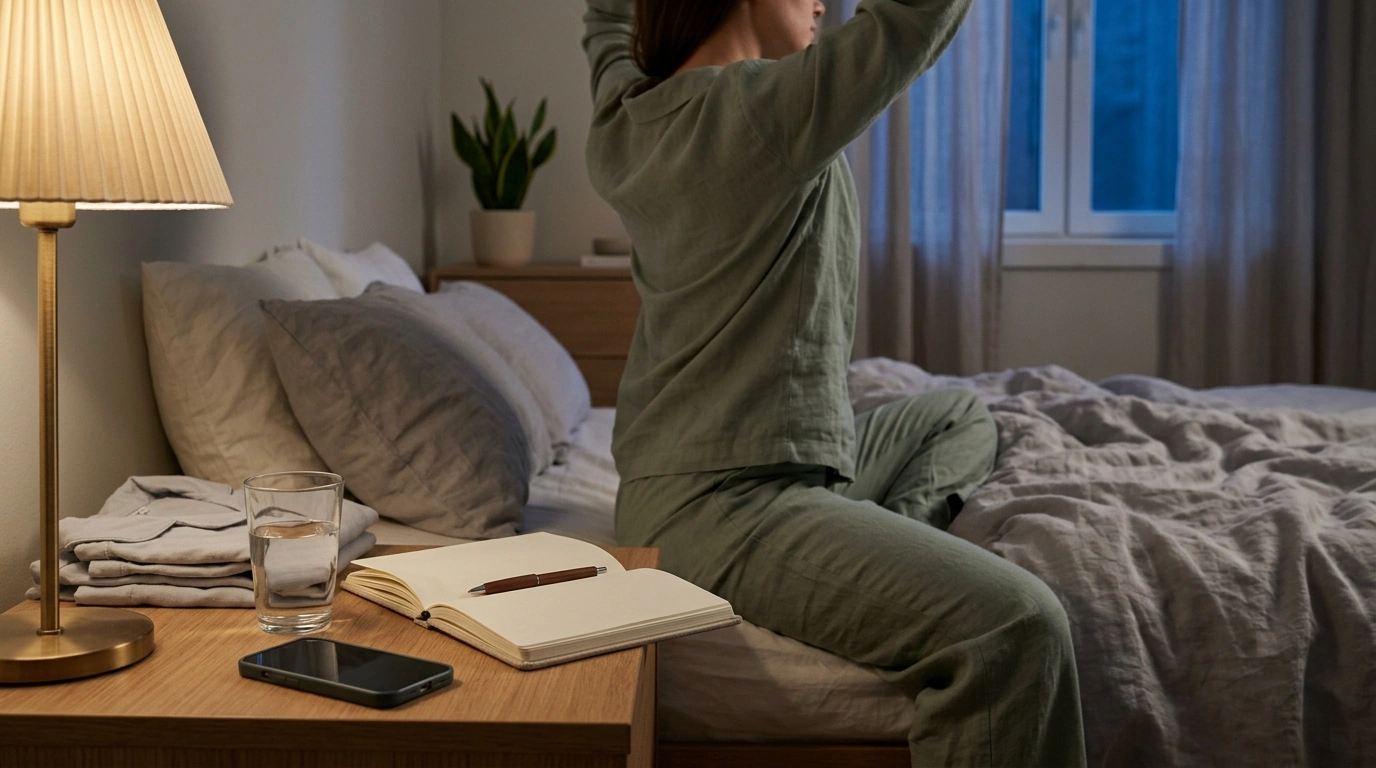
| 30–15 min | Calming activity: gentle stretch, reading, breathing exercise | Supports relaxation and lowers arousal | Pick one that feels pleasant, not like homework |
| 15–0 min | Lights-out ritual: brief gratitude note, white noise, consistent cue | Builds a repeatable signal for sleep onset | Use the same 1–2 cues nightly |
Make AI suggestions more accurate: what to share (and what to avoid)
If evenings are getting hijacked by last-minute tasks, pairing a sleep plan with a focus system can help protect your wind-down window. Finally Focused: The Anti-Procrastination Workbook can help reduce the “I’ll do it later” spiral that pushes bedtime back.
Sleep environment tweaks that pay off quickly
For additional sleep basics and healthy sleep habits, review guidance from the CDC, the American Academy of Sleep Medicine, and the National Sleep Foundation.
Digital download: AI bedtime routine guide for tailored nightly plans
If you want a ready-to-use framework, Sleep Smarter with AI – Bedtime Routine Guide for Better Rest (Digital Download) offers structured steps, routine options, and customization prompts for different schedules and energy levels—useful for building consistency, troubleshooting rough nights, and iterating based on what improves your rest.
To make personalization smoother across other areas of life (planning, brainstorming, organization), The Magic Behind AI Prompts can help you get clearer, more actionable suggestions with less trial and error.
FAQ
How long should a bedtime routine be to make it sustainable?
Most people do best with a 30–90 minute wind-down window, adjusted to how “wired” evenings tend to feel. Consistency matters more than length, so aim for 2–3 anchors you can repeat even on busy nights.
What if the routine works on weekdays but not on weekends?
Try keeping your wake time within a reasonable window (often 1–2 hours) to avoid “social jet lag.” Use a lighter version of the same routine on weekends so the cues stay familiar without feeling restrictive.
Can AI suggestions help with waking up during the night?
Yes—by helping you spot patterns tied to temperature, alcohol, stress, late fluids, or inconsistent schedules, then testing one change at a time. A calm “reset plan” (low light, quiet activity for 15–20 minutes, then back to bed) can also reduce frustration; for persistent or severe sleep disruption, consult a clinician.










Leave a comment