All-Day Energy: Sleep, Light, Food, Movement + AI

What “all-day energy” really comes from
“All-day energy” usually isn’t a single trick—it’s the combined effect of sleep pressure, circadian timing (your internal clock), food choices, hydration, movement, stress load, and even your environment. Caffeine can help, but it can’t consistently override irregular sleep windows, low daylight exposure, or a day spent sitting in the same posture for hours.
That familiar midday crash often traces back to a few repeat patterns: inconsistent sleep and wake times, a lunch built around refined carbs with little protein or fiber, low overall movement, dehydration, or long unbroken focus sessions that quietly drain mental stamina. The fastest path to a better day is stabilizing the basics first, then layering on productivity and mood supports.
For foundational sleep guidance, the CDC’s sleep resources and the National Sleep Foundation’s sleep duration recommendations are reliable starting points.
A simple daily rhythm that supports vitality
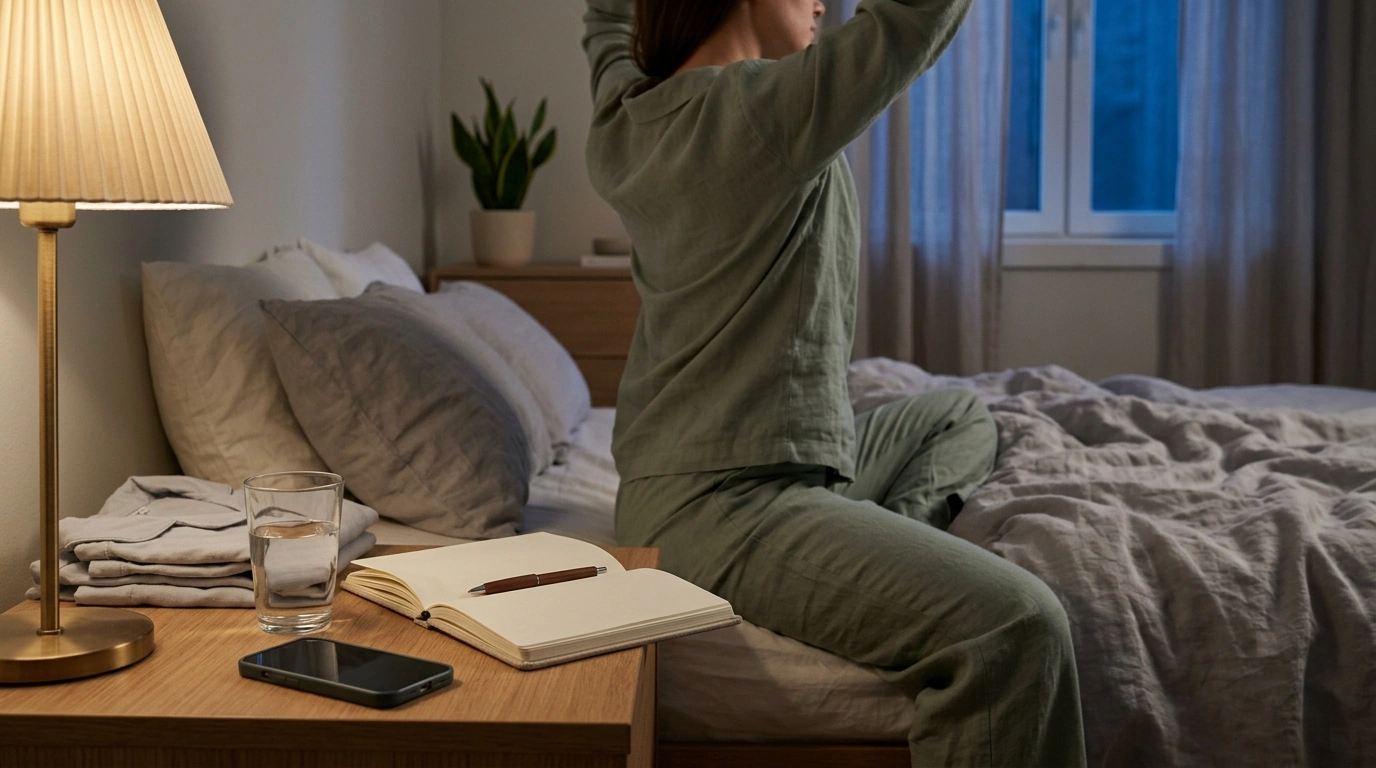
Daily momentum is easier when your schedule has a repeatable rhythm. The goal isn’t perfection—it’s reducing friction so your body and brain get the same helpful cues each day: light in the morning, movement breaks throughout the day, meals that don’t spike and crash, and a predictable wind-down at night.
| Time window | Primary goal | Habit to try | If energy is low |
|---|---|---|---|
| 0–60 minutes after waking | Set body clock + alertness | Outdoor light + water + 5-minute mobility | Delay caffeine 60–90 minutes; add a short brisk walk |
| Late morning | Best focus window | One deep-work block (45–90 min) + short break | Reduce multitasking; switch to a smaller task list |
| Lunch window | Stable blood sugar | Protein + fiber + water; 10-minute walk | Choose lighter carbs; add vegetables; avoid sugary drinks |
| Mid-afternoon | Prevent crash | Reset ritual + movement snack | Power nap 10–20 minutes or step outside for light |
| Evening | Recovery | Wind-down routine; screens lower/warmer | Earlier dinner; calming activity; consistent bedtime cue |
Smart habits that compound quickly
Hydration that actually works
Hydration supports alertness and reduces “mystery fatigue.” A simple approach: front-load water earlier in the day and keep a bottle visible. If you sweat heavily (exercise, heat, long walks), consider electrolytes to replace sodium and support fluid balance—especially when plain water doesn’t seem to help.
Movement snacks (the antidote to the slow drain)
Two to five minutes of movement every 60–90 minutes can noticeably improve alertness and reduce stiffness. A quick loop works almost anywhere: a short walk, a few squats, calf raises, shoulder circles, or hip mobility. The point is changing posture and getting blood moving before fatigue settles in.
Food choices for steady energy
Build meals around protein and fiber first, then add minimally processed carbs. This tends to smooth out energy (and mood) compared with meals that are mostly refined starch and sugar. If you want an easy rule: include a protein anchor (eggs, yogurt, chicken, tofu, beans), a fiber anchor (vegetables, berries, legumes), and a moderate carb that fits your day’s activity.
Caffeine timing
Caffeine can be helpful when timed well, but stacking large doses or drinking it late can steal energy from tomorrow by disrupting sleep. Many people do better delaying the first caffeine 60–90 minutes after waking, keeping doses moderate, and using a firm cutoff time (often 8 hours before bedtime).
Stress downshifts that don’t require a full reset
Stress can feel like tiredness because it increases mental load. Short breathing drills, a two-minute journal “brain dump,” or quickly offloading tasks into a list can reduce the internal drag that makes everything feel harder than it should.
AI guidance as a personalization layer (without overcomplicating it)
For a practical, ready-to-use system that blends these habits with adaptable AI guidance, see Energize Days with Smart Habits and AI Guidance – Digital Wellness Guide.
When the day derails: quick energy resets that don’t backfire
The 2-minute reset
Light + movement combo
Snack check (based on what happened at lunch)
Nap rules
A 7-day starter plan for boosted vitality and productivity
Digital guide: what’s inside and who it fits best
The Energize Days with Smart Habits and AI Guidance – Digital Wellness Guide is built for real life: busy professionals, students, caregivers, and anyone rebuilding consistency after a stressful season. It focuses on practical habit systems for stronger daily energy and clearer focus—without guesswork—and supports simple AI-assisted personalization so your routine fits your actual schedule.
If sleep is the weak link, pairing it with Sleep Smarter with AI – Bedtime Routine Guide for Better Rest can raise baseline alertness and make daytime habits easier to maintain. And for those who want more structure for planning and creative workflows, The Magic Behind AI Prompts – AI Prompt Patterns That Work adds a repeatable framework for turning ideas into usable routines.
For additional context on why sleep quality matters so much for energy and health, Harvard Health Publishing offers a helpful overview: The importance of sleep.
FAQ
How fast can energy improve with habit changes?
Many people notice quick wins within 24–72 hours from better hydration, morning light exposure, and brief movement breaks. More stable, “all-day” improvements—especially from sleep consistency and nutrition patterns—often take 1–3 weeks to feel dependable.
Does caffeine help or hurt daily energy?
Caffeine can improve alertness when timed well, but it can hurt energy if it disrupts sleep or replaces basics like movement and hydration. Delaying caffeine after waking, keeping doses moderate, and setting a cutoff time usually works better than frequent refills.
What if fatigue persists even with good habits?
Check sleep duration and quality, overall stress load, and whether meals provide enough protein, fiber, and calories for your activity level. If fatigue is persistent, severe, or new, a medical professional can help rule out underlying causes.









Leave a comment